
The global climate system is currently showing signs of developing El Niño conditions, a major climate phenomenon that can significantly influence temperature, rainfall patterns, and extreme weather events worldwide. According to recent global assessments and research by meteorological experts, the 2026 El Niño event is expected to strengthen in the coming months and may have important impacts on Sri Lanka’s weather conditions.
What is El Niño?
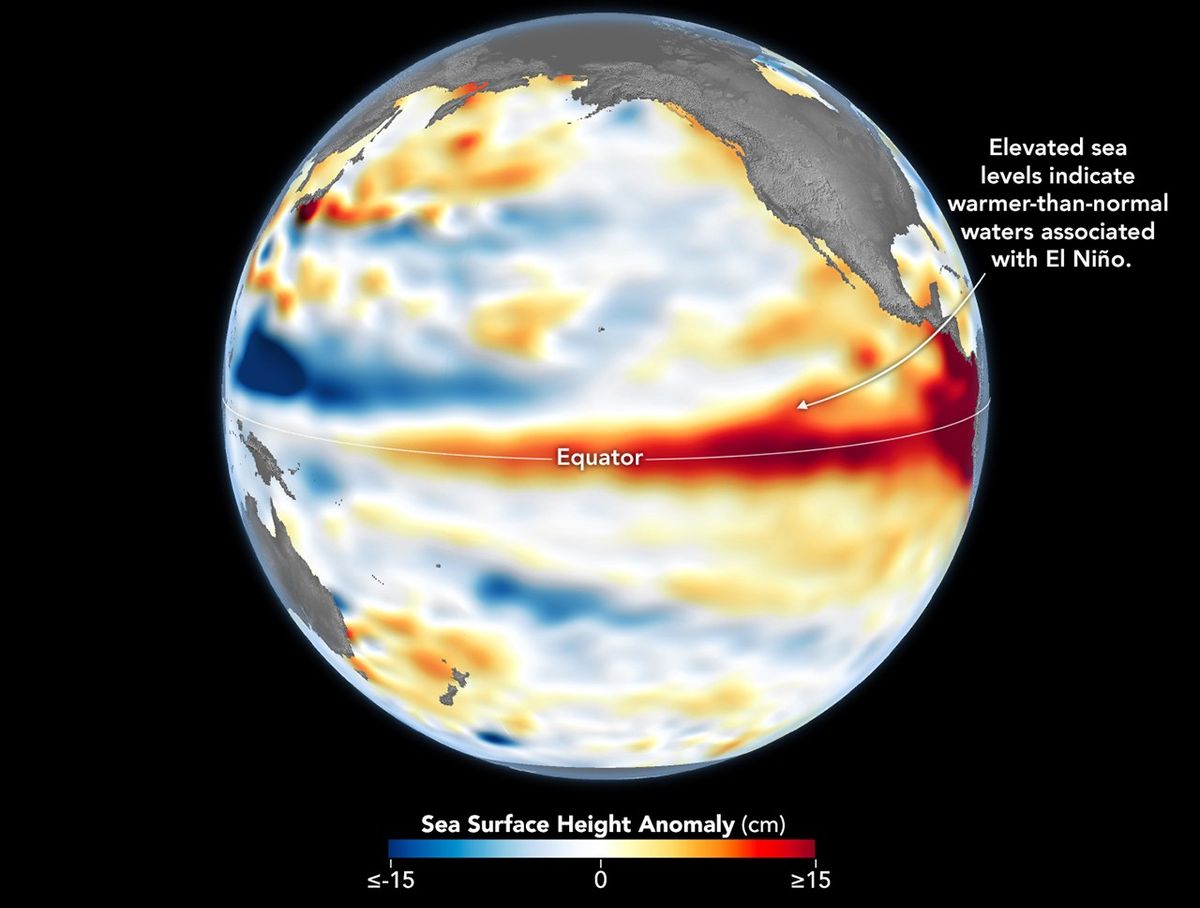
El Niño is one phase of the large-scale atmospheric and oceanic phenomenon known as the El Niño–Southern Oscillation (ENSO), which develops over the Pacific Ocean region. This condition occurs when sea surface temperatures in the tropical Pacific Ocean become warmer than normal, disrupting regular atmospheric circulation and altering global wind patterns. Typically, El Niño events occur every 2 to 7 years, and their strength can vary from weak to strong, influencing weather systems across many parts of the world.
How El Niño Affects Weather Patterns
According to research conducted by the Department of Meteorology, the weather impacts associated with ENSO depend on when the event begins and how intense it becomes. Climate experts categorize these events as weak, moderate, or strong, and each level can produce different effects on rainfall and temperature distribution.
Scientists also note that another climate factor known as the Indian Ocean Dipole (IOD) can develop at the same time as El Niño. The IOD refers to changes in sea surface temperatures in the Indian Ocean, which may further influence weather patterns in South Asia, including Sri Lanka.
The Department of Meteorology continuously monitors these climate developments and includes updated information in its monthly seasonal weather forecasts.
Current Global Situation
According to the World Meteorological Organization (WMO) based in Geneva, Switzerland, warmer-than-average sea surface temperatures in the tropical Pacific Ocean are currently contributing to the development of El Niño conditions.
Meteorologists report that El Niño is strengthening and is expected to affect global temperature and rainfall patterns throughout the coming months. The WMO has also warned that the risk of extreme weather events may increase worldwide as the phenomenon develops further.
Climate Messages for 2026
Several important climate trends have been identified as El Niño conditions continue to develop:
- Warmer ocean waters are driving the development of El Niño conditions.
- El Niño generally increases global temperatures and contributes to more extreme weather patterns. Above-normal temperatures are expected in many regions during the June to August 2026 period. Improved weather forecasting systems are helping communities prepare for climate-related risks. Public awareness and preparedness remain essential for effective planning and disaster risk management.
Probability of El Niño in 2026
According to the latest WMO ENSO Outlook, there is currently an 80% probability that El Niño conditions will occur during the June to August 2026 period.
Climate models indicate that these conditions are likely to continue until at least November 2026, with forecasts showing a 90% or greater probability that El Niño conditions will persist beyond that period.
Although some uncertainty remains regarding the exact strength and peak timing of the event, most global climate models suggest that El Niño will likely reach moderate intensity, with the possibility of becoming a strong event later in the year.
Possible Impact on Sri Lanka Rainfall Patterns

Research conducted by Sri Lanka’s Department of Meteorology, using nearly 75 years of historical weather data, shows that El Niño conditions can significantly alter the country’s normal monthly rainfall patterns.
During El Niño years, rainfall levels in Sri Lanka may either increase or decrease compared to long-term monthly averages depending on the season and regional climate conditions.
These rainfall variations can affect agriculture, water resources, hydropower generation, and disaster management planning. Weather experts emphasize that close monitoring and early preparation are essential as climate conditions continue to evolve.
Need for Preparedness
As El Niño develops further in 2026, governments, businesses, farmers, and the general public are encouraged to stay informed through official weather updates and seasonal climate forecasts.
Understanding these climate patterns helps communities make informed decisions, reduce risks, and better prepare for possible extreme weather conditions in the months ahead.
The Department of Meteorology will continue monitoring global climate developments and provide updated forecasts regularly to support national preparedness efforts.