
ENSO Alert System Status: El Niño Advisory
El Niño Likely to Develop, Sri Lanka Rainfall Patterns Continue to Shift
Current global climate observations indicate that ENSO-neutral conditions are presently active across the Pacific Ocean region. According to international climate monitoring agencies, equatorial sea surface temperatures (SSTs) remain near-to-above average across the central and eastern Pacific Ocean, signaling the gradual transition toward an El Niño event.
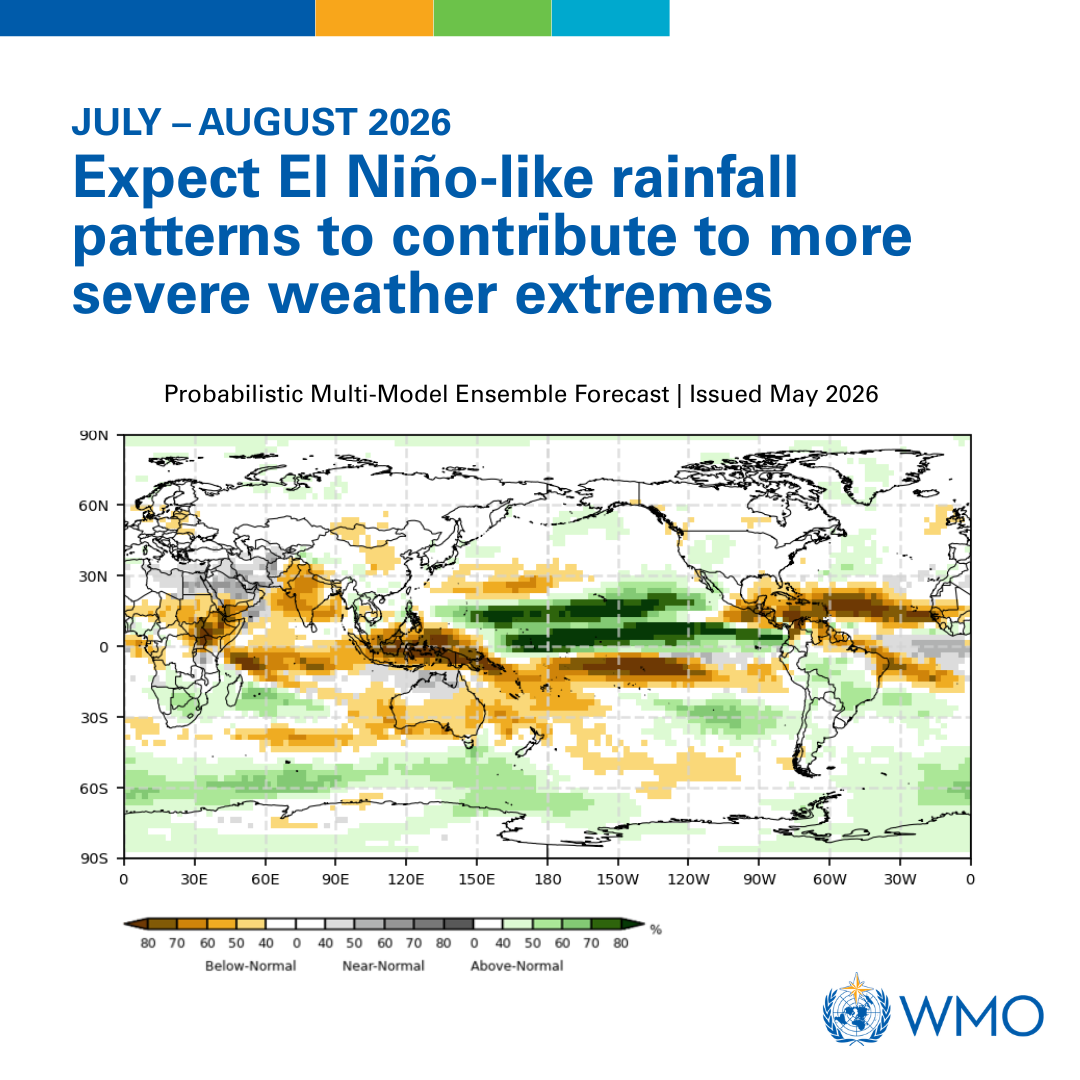
Climate forecast models show that El Niño is likely to emerge soon, with an 82% probability during May–July 2026. The probability is expected to increase significantly, with a 96% chance that El Niño conditions will persist through the Northern Hemisphere winter season between December 2026 and February 2027. This development could have considerable impacts on global weather systems, including rainfall distribution, temperature patterns, and seasonal climate conditions in South Asia.

Research conducted by the Department of Meteorology of Sri Lanka reveals notable variations in rainfall patterns across the country during recent months. During June 2026, below-normal rainfall was observed in the Western and Southern Provinces, along with several areas in Kegalle, Ratnapura, Kandy, Nuwara Eliya, Badulla, and Monaragala districts. However, near-normal to above-normal rainfall was recorded in many other parts of the island.
In July 2026, weather conditions shifted as above-normal rainfall was recorded across the Western and Southern Provinces, as well as parts of the Sabaragamuwa and North-Western Provinces, including Monaragala district. Meanwhile, several remaining areas of the country experienced near-normal or below-normal rainfall levels.
During August 2026, further changes were observed. Below-normal rainfall was reported in parts of the Western Province and central regions of Sri Lanka, while near-normal to slightly above-normal rainfall occurred across most other regions. These variations were observed while El Niño conditions continued to strengthen globally.
Indian Ocean Dipole (IOD) Update
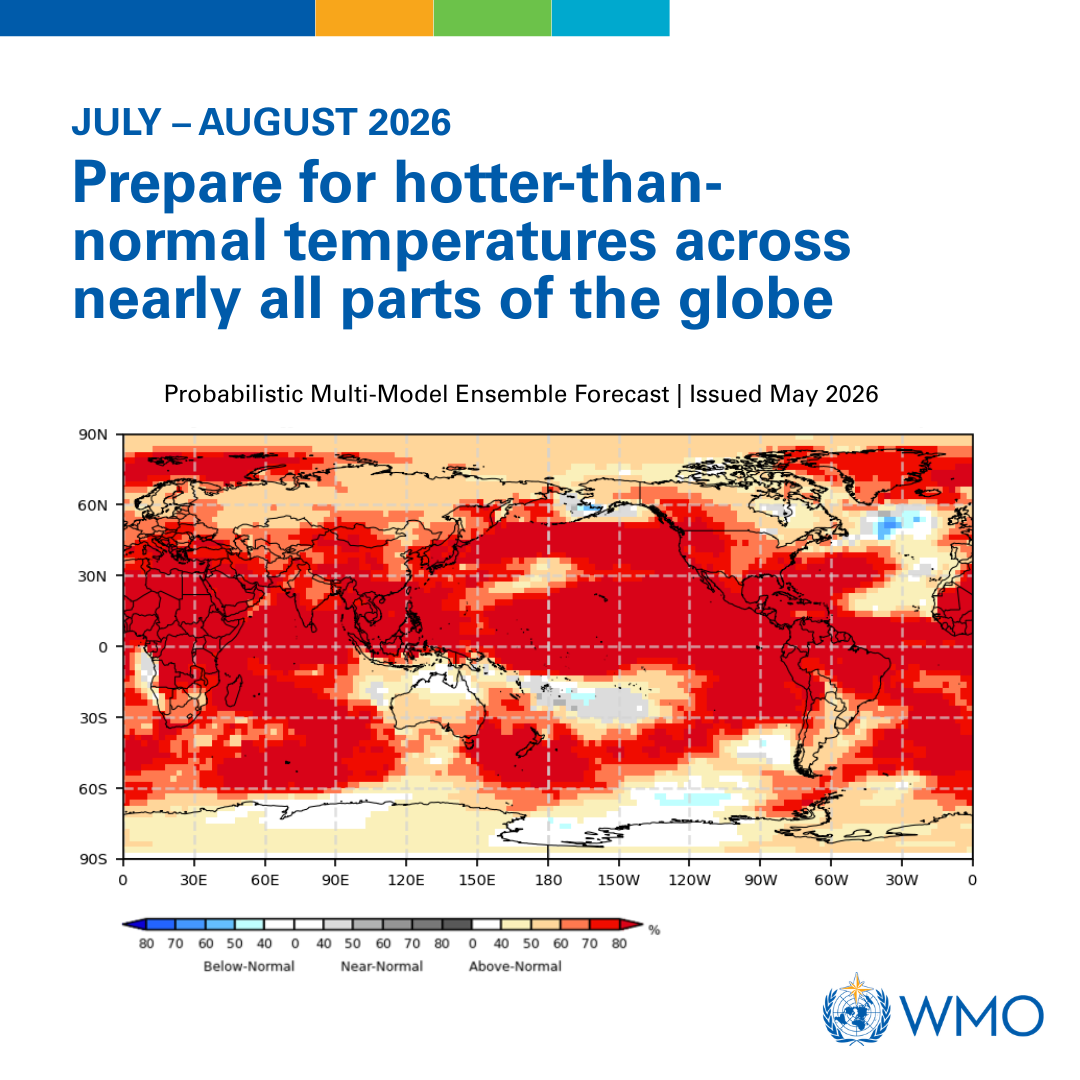
In addition to ENSO developments, the Indian Ocean Dipole (IOD) currently remains in a neutral phase across the Indian Ocean basin. Climate models indicate that neutral IOD conditions are likely to continue until October 2026. However, there is growing potential for the development of a positive IOD event from November onward.
Meteorologists note that current model forecasts show significant variation regarding both the timing and strength of this possible positive IOD event. The combined influence of El Niño and IOD conditions may play an important role in determining Sri Lanka’s weather patterns in the coming months, making continuous monitoring essential for agriculture, water management, and disaster preparedness.
Recent Evolution of Equatorial Pacific SST Departures (C)
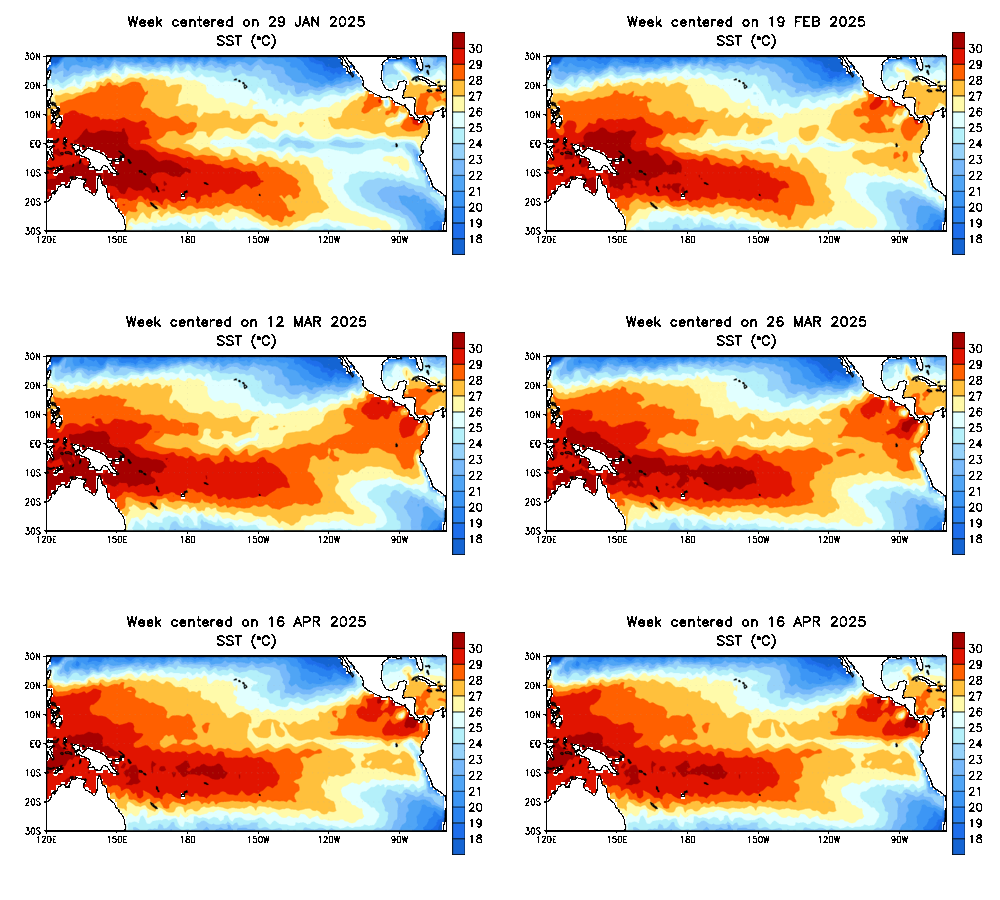
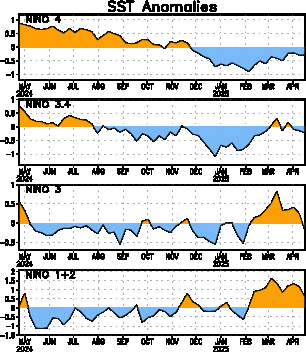
From August 2025 through February 2026, below-average SSTs was evident across most of the equatorial Pacific Ocean. Beginning in early February 2026, above-average SSTs emerged in the far eastern equatorial Pacific. Since mid-April 2026, above-average
equatorial SSTs have increased across the central to eastern Pacific Ocean.
Niño Region SST Departures (oC) Recent Evolution
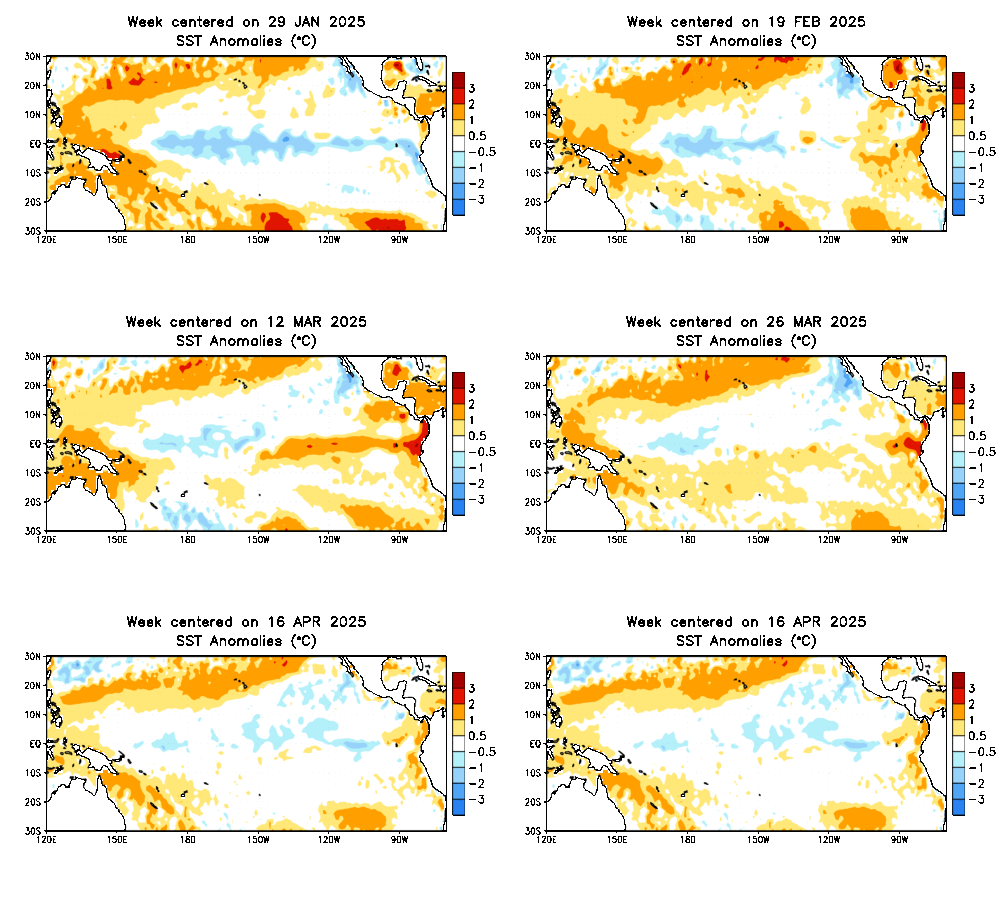
SST Departures (oC) in the Tropical Pacific During the Last Four Weeks
Global SST Departures (oC) During the Last Four Weeks (Traditional SST Anomalies)
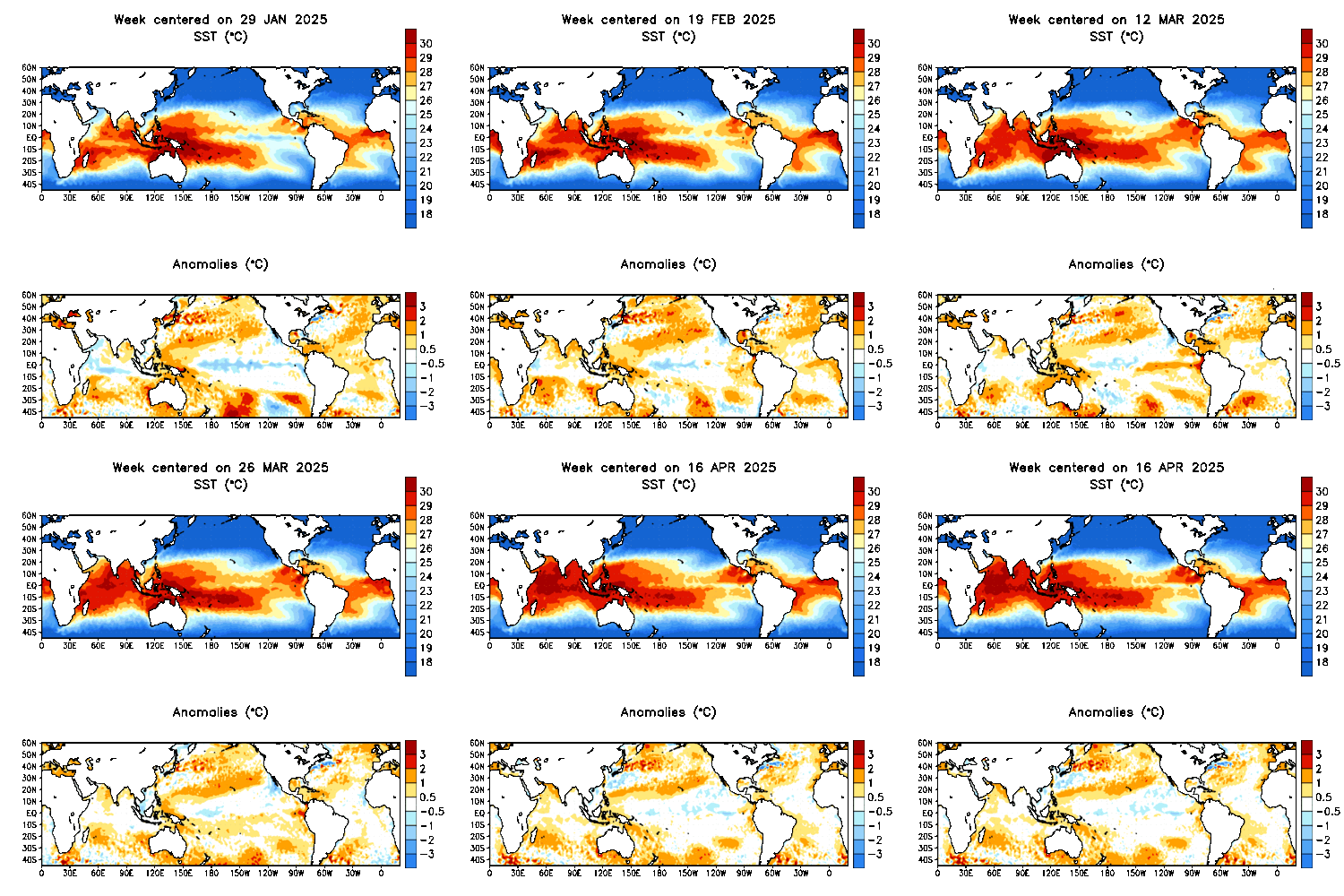
During the last four weeks, above-average SSTs were prevalent over most of the global oceans. Equatorial SSTs were nearto-above average in the Atlantic and Indian Oceans. In the equatorial Pacific, positive SSTs were amplified from the Date
Line to the eastern Pacific.
Change in Weekly SST Departures over the Last Four Weeks
During the last four weeks, positive equatorial SST anomaly changes were observed across the central and eastern Pacific Ocean and in the western Indian Ocean. Negative changes were evident in most of the Atlantic Ocean and in the far western Pacific Ocean.